

FiberZ Research
The Role and Therapeutic Potential of Resistant Dextrins as Prebiotics
A comprehensive review of the science behind resistant dextrin — the active ingredient in FiberZ.
In recent decades, the escalating prevalence of chronic metabolic conditions — including obesity, type-2 diabetes mellitus (T2DM), and cardiovascular diseases — has prompted a significant shift toward the development of functional foods. Among these, modified dietary fibers such as resistant starch (RS) and resistant dextrin (RD) have gained prominence for their ability to improve human health without adversely affecting the sensory qualities of food. These substances function as prebiotics: non-digestible food components that selectively nourish beneficial gut microorganisms, thereby conferring health benefits on the host.[2]
1. Defining Prebiotics and Functional Fibers
A certified prebiotic must meet several rigorous criteria. It must resist digestion by gastrointestinal acids and enzymes, serve as a dedicated fermentation substrate for beneficial bacteria, and remain stable during food processing. While many prebiotics are plant-derived oligosaccharides like inulin, starch derivatives such as resistant dextrins also comply with these standards.[2]
Unlike standard dietary fibers, prebiotics are recognized specifically for their “cause-and-effect relationship” with the growth of beneficial gut microbiota, a distinction emphasized by regulatory bodies like the European Food Safety Authority (EFSA).[2]
2. Mechanisms of Action: Fermentation and Metabolites
The health-promoting properties of resistant starch and dextrins are primarily realized through their fermentation in the colon. This process produces short-chain fatty acids (SCFAs), such as butyrate, propionate, and acetate, which serve as critical signaling molecules.[2]
- Metabolic Regulation: SCFAs help regulate appetite by decreasing ghrelin levels and increasing satiety-promoting hormones like peptide YY (PYY) and glucagon-like peptide-1 (GLP-1).[2]
- Immune Support: They stimulate immune cells, including T-helper cells and macrophages, and help maintain the intestinal barrier by promoting the growth of beneficial bacteria that exclude pathogens.[2]
- Fat Oxidation: Butyrate, in particular, enhances the expression of receptors that improve fatty acid oxidation in muscle tissue, directly contributing to reduced insulin resistance.[2]
3. Resistant Dextrins: Production and Properties
Resistant dextrins are short-chain glucose polymers produced through a highly controlled process of starch dextrinization. By applying high temperatures and acidic catalysts, the default 1,4- and 1,6-glycosidic bonds in starch are replaced with 1,2- and 1,3- linkages. These new chemical bonds cannot be easily targeted by human digestive enzymes, ensuring that roughly 75% of the substance reaches the large intestine for fermentation.
Crucially, resistant dextrins are often better tolerated than other fibers; they produce smaller volumes of gas, which minimizes common side effects like bloating and abdominal discomfort.[2]
4. Clinical Evidence: Insulin Resistance and Glycemic Control
Extensive clinical and animal studies have demonstrated the efficacy of resistant dextrins in managing metabolic syndrome:
- Improved Insulin Sensitivity: In trials involving women with type-2 diabetes, 10g of daily resistant dextrin supplementation significantly decreased fasting insulin levels and reduced markers of inflammation and oxidative stress.[4]
- Reduction in Hepatic Lipid Deposition: Animal models have shown that resistant dextrin can ameliorate insulin resistance induced by high-fat-high-fructose diets by promoting fatty acid β-oxidation and reducing triglyceride (TG) and total cholesterol (TC) levels in the liver.[4]
- Cardiovascular Benefits: In elderly patients with T2DM, a 12-week intervention using milk powder co-supplemented with inulin and resistant dextrin (MPCIR) led to significant reductions in both systolic and diastolic blood pressure, as well as improved postprandial glucose levels.[4]
Intestinal-Function-Related Metabolic Diseases and Their Management
1. External / Lifestyle Factors:
- High-fat / Western diet
- Low fiber intake
- Antibiotics
- Sedentary lifestyle
- Stress
2. Gut Microbiota Dysbiosis:
- ↓ beneficial bacteria
- ↑ pathogenic bacteria
- Reduced diversity
3. Intestinal Dysfunction
- Increased intestinal permeability (“leaky gut”)
- Altered metabolites (↓ SCFAs, ↑ LPS, ↑ TMAO)
- Impaired mucosal barrier
- Immune dysregulation
4. Systemic Effects
- Chronic low-grade inflammation
- Insulin resistance
- Lipid metabolism disorders
- Oxidative stress
5. Metabolic Diseases
- Obesity
- Type 2 diabetes
- NAFLD (fatty liver disease)
- Hyperlipidemia
- Metabolic syndrome
6. Management Strategies
Diet-based:
- High-fiber diet
- Polyphenols / functional foods
Microbiota-targeted:
- Probiotics
- Prebiotics
- Synbiotics
- Fecal microbiota transplantation (FMT)
Lifestyle:
- Exercise
- Weight control
Pharmacological / clinical
7. Restored Gut Homeostasis
- Balanced microbiota
- Improved barrier function
- Reduced inflammation
- Improved metabolic outcomes
5. Synergistic Effects and Microbiota Modulation
Recent research highlights the benefits of combining different prebiotic materials. For instance, inulin is a highly selective and rapidly utilized prebiotic that effectively stimulates Bifidobacterium growth but can cause significant gas and bloating. However, when inulin is combined with resistant dextrin — which is utilized more slowly by a broader range of bacterial genera — gas production is significantly reduced while microbiota diversity is maintained or increased.[3]
Furthermore, resistant dextrin has been shown to specifically increase the abundance of metabolically beneficial bacteria such as Prevotella and Akkermansia. These shifts in the microbial landscape are believed to be the primary drivers behind the systemic improvements in glucose and lipid metabolism observed in clinical settings.[4]
6. About FiberZ
FiberZ is resistant dextrin, classified as a soluble dietary fiber. It is the result of a scientific collaboration between leading experts from RMIT University in Melbourne, Australia, the innovative engineering team at Microtec Engineering Group PTY LTD in Australia, as well as the development team of Fidelinka Skrob d.o.o. from Serbia.
Designed to support healthier food formulation, FiberZ offers a new way to reduce sugar and increase fiber content while simultaneously lowering calories across a wide range of food products.
FiberZ is a soluble dietary fiber that easily dissolves in water and is characterized by low viscosity. It is not digested in the small intestine and is not absorbed into the bloodstream, but instead reaches the large intestine, where it is partially fermented by the gut microbiota.
FiberZ is produced by heating wheat starch at a high temperature with acid treatment, resulting in the formation of resistant wheat dextrin. Wheat resistant dextrin is a group of low molecular weight carbohydrates. They consist of a mixture of oligosaccharides of different chain lengths, consisting predominantly of glucose units connected by α(1→4) and/or α(1→6) glycosidic bonds.
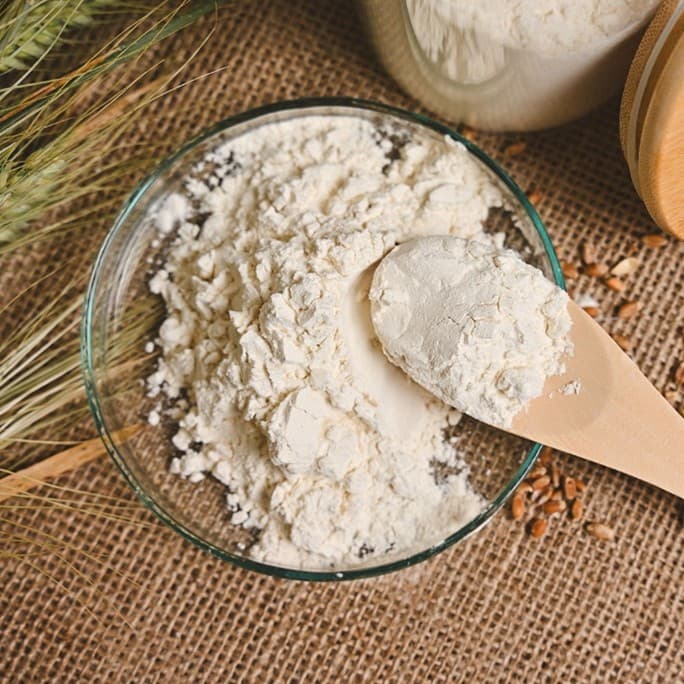
FiberZ is a fine powder, light brown in color, with a characteristic odor and flavor, containing more than 50% fiber. Its properties, such as low viscosity, ensure good consistency when added to water, beverages, or soft foods. Wheat resistant dextrin is completely soluble in water.
Health Benefits
Dietary fiber plays a quiet but powerful role in health. It is a type of carbohydrate that your body cannot digest — but that’s exactly what makes it so important. While most carbs break down into sugar, fiber passes through the gut, keeping digestion on track and feeding good gut bacteria. It can assist in managing constipation, diarrhea, and irritable bowel syndrome.
Fibers can contribute to the regulation of micronutrient absorption, the stabilization of blood glucose and cholesterol levels, and the preservation of cardiovascular health.
Ingredients: 100% resistant wheat dextrin powder.
Nutritional Values
| Nutrient | Per 100g | Per 4g sachet |
|---|---|---|
| Energy | 1193 kJ / 287 kcal | 48 kJ / 11 kcal |
| Fat | 0.6g | 0.02g |
| of which saturates | 0.2g | 0.008g |
| Carbohydrate | 44g | 1.8g |
| of which sugars | 3.4g | 0.1g |
| Fiber | 51g | 2.1g |
| Protein | 0.6g | 0.02g |
| Salt | < 0.01g | < 0.0004g |
Active Ingredients
| Ingredient | Per 100g | Per 4g sachet | Per 12g (3 sachets) |
|---|---|---|---|
| Resistant Wheat Dextrin Powder | 100g | 4g* | 12g* |
*Nutritional Reference Value (NRV) not established.
7. Conclusion
Resistant starch and dextrins represent a sophisticated class of prebiotics that offer substantial therapeutic potential. By selectively modulating the gut microbiota and fostering the production of SCFAs, these functional fibers effectively address the underlying mechanisms of insulin resistance, obesity, and systemic inflammation. Their high tolerance and versatility in food applications make them an essential tool for both the prevention and management of modern metabolic diseases.
Traditional fiber sources found in whole plant-based foods like fruits and vegetables, whole grains (wheat, oat, barley), nuts and seeds, and legumes. Even diets rich in these foods often don’t hit the daily target — that’s why FiberZ, a resistant wheat dextrin, can help with this deficiency. FiberZ: natural support for digestion, energy, and overall body balance. Whether the target is sugar reduction, fiber enrichment, decrease in body weight, or digestive health benefits, FiberZ can be seamlessly integrated into your daily routine.
References
- Cai X., Yu H., Liu L., Lu T., Li J., Ji Y., Le Z., Bao L., Ma W., Xiao R., Yang Y. (2018). Milk powder co-supplemented with inulin and resistant dextrin improves glycemic control and insulin resistance in elderly type 2 diabetes mellitus: a 12-week randomized, double-blind, placebo-controlled trial.
- Włodarczyk M., Śliżewska K. (2021). Efficiency of Resistant Starch and Dextrins as Prebiotics: A Review of the Existing Evidence and Clinical Trials. Nutrients.
- Yoshida K., Kokubo E., Morita S., Sonoki H., Miyaji K. (2024). Combination of Inulin and Resistant Dextrin Has Superior Prebiotic Effects and Reduces Gas Production During In Vitro Fermentation of Fecal Samples from Older People.
- Hu F., Niu Y., Xu X., Hu Q., Su Q., Zhang H. (2020). Resistant dextrin improves high-fat-high-fructose diet induced insulin resistance.